
WEBINAR – How to Define the ESG Sourcing Strategy through Scope Boundaries
The ESG sourcing strategy is the plan to integrate environmental, social, and governance (ESG) criteria into the procurement process, contracts, and supplier relationships. The ESG sourcing strategy should align with the organization’s overall ESG goals and policies, as well as the expectations and needs of the stakeholders. With Green House Gas Emissions, stakeholders span three tiers:
- Scope 1 emissions: These are the direct emissions that are owned or controlled by the organization.
- Scope 2 emissions: These are the indirect emissions that are generated by the electricity, heat, or steam that the organization purchases and consumes.
- Scope 3 emissions: These are the indirect emissions that occur in the organization’s value chain, both upstream and downstream.
By defining these three Scopes, the organization can develop a complete ESG / Green House Gas strategy, along with an effective sourcing strategy which addresses the strategic ESG aspects, identifying the key suppliers and stakeholders, and allocating the resources and tools for the ESG sourcing strategy. Join us in this webinar to understand how to get started on this journey!
Meet the speakers:
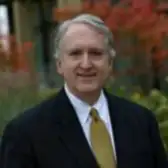
Jim Bergman is the CEO of Commercial Officers Group, an advisory and training firm focused on establishing high-yield contracting for a global client base and across multiple sectors. He has over thirty years of “in the trenches” experience in commercial contracting, initially as a contract attorney, with an emphasis on collaborative and strategic models. During his career, Mr. Bergman has trained and led contract development and negotiation teams, as well as managed commercial relationship portfolios worth over US$1 billion. He has developed contracting processes for a number of Fortune 500 companies, ranging from business process outsourcing, IT, engineering/construction, logistics and capital equipment. His efforts have led to value generation of well over US$500 million. Mr. Bergman is also currently serving as an Adjunct Lecturer at University of Tennessee. He also holds an MBA and Masters degree in History.
